
 Detoxification Specialist
While nothing beats the fresh variety, frozen organic produce—ideally in small quantities—can easily be part of your raw food regime if you're selective and watch out for preservatives.
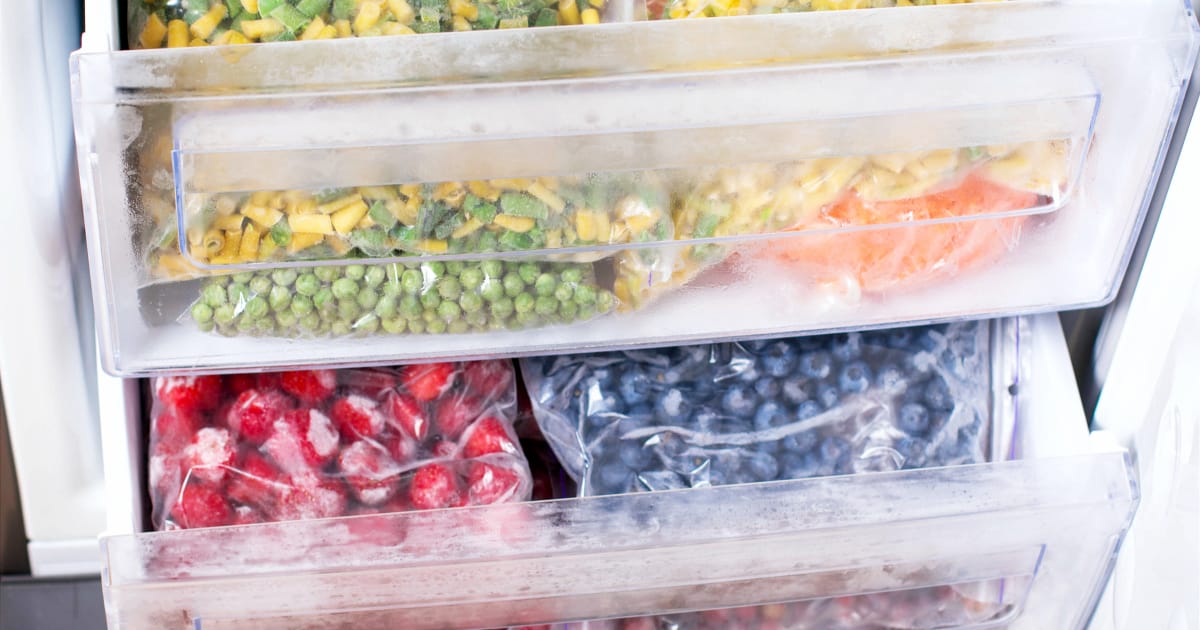
Frozen fruits and vegetables are sometimes more affordable and convenient compared to fresh produce. Most fresh produce that's intended to be frozen is picked at peak ripeness, which is when it contains the most nutrients.[1]
For our purposes of Regenerative Detoxification, organic frozen berries like blueberries, strawberries, and raspberries are going to be preferred over frozen veggies.
If you're concerned about nutrient preservation, frozen produce is only slightly less nutritious than fresh options particularly if it was over-blanched. Otherwise the difference in nutritional value is minuscule.[2][3]
Berries retain more nutrients after freezing due to their thicker skins and higher water content. Veggies on the other hand tend to get waterlogged and mushy although this can be prevented for example by not squeezing the frozen bag in the freezer aisle.[4][5]
Strive for the freshest produce you can find. Local farms and farmers' markets generally offer the best quality. If buying conventional frozen options, read labels carefully for excess sodium and preservatives. Also, avoid frozen veggies with sauces or butter that hinder detox goals.
In summary, frozen fruit can be a reasonable choice, while frozen veggies are best saved for occasional, clean meals.