
 Detoxification Specialist
Kidney and Gallbladder stones affect millions of people globally. Many are hunting for natural and non-invasive ways to deal with these stones, and that's where Chanca Piedra may prove helpful.[1]
Understanding Chanca Piedra: What Is It and How Does It Work?
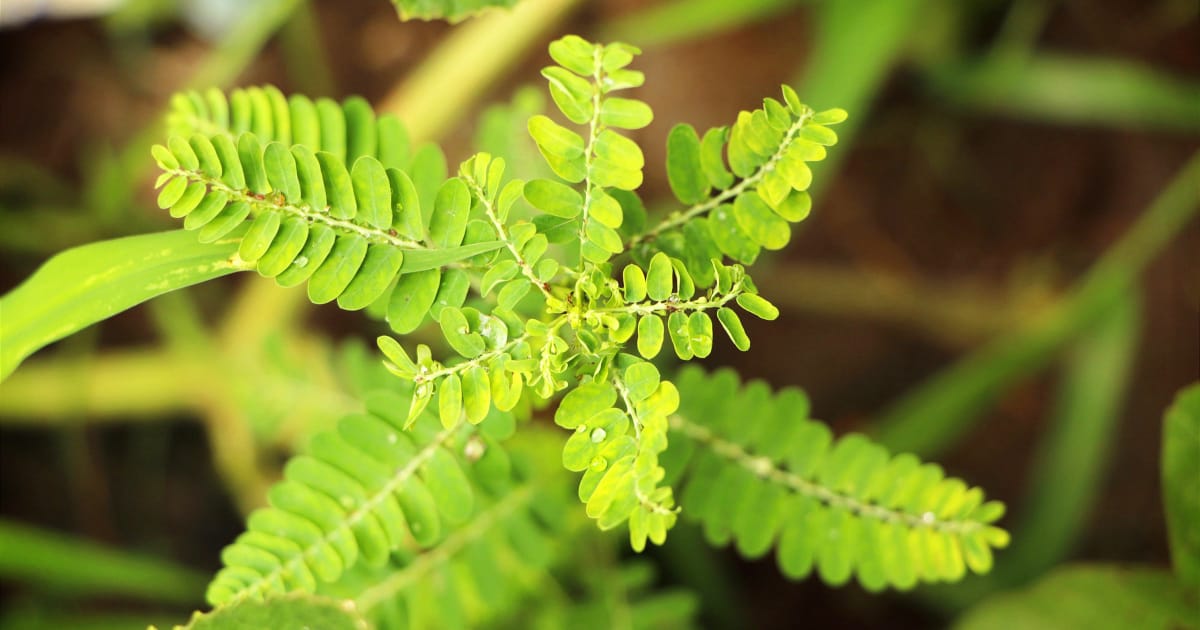
Chanca piedra, which means "stone breaker" in Spanish, is a small herb native to tropical coastal areas. Its scientific name is Phyllanthus niruri.
It's been used for centuries in traditional medicine to treat various conditions, including kidney stones. The entire plant, including leaves, stems, and flowers, is used to make supplements in various forms such as teas, capsules, liquid extracts, and tablets.[2][3]
Ever wondered why it's often referred to as the "stone breaker"? Well, it's because it does just that - break stones. The herb's unique ability to dissolve kidney stones can be attributed to its diuretic properties.
It's thought that chanca piedra can help dissolve kidney and gallstones thanks to its alkalizing properties, which may stop stones from forming in the first place.[4]
Chanca Piedra for Kidney Stones
Chock-full of bioactive components like phytochemicals, chanca Piedra can boost urine flow and dial down inflammation.[5]
Chanca piedra increases the frequency of urination, which helps flush out the stones from the kidneys. In addition, the herb also interferes with the stones' structure and composition, making them easier to dissolve and pass.[6][3]
Chanca Piedra for Gallstones
It's believed that chanca piedra encourages the creation of bile, which is crucial for the digestion of fats and the removal of waste from your liver.[7]
An increase in bile flow can assist in dissolving cholesterol deposits that end up as gallstones, helping to expel them from your body.[8]
How to Supplement with Chanca Piedra in Tea, Tincture, and Capsule Forms
Chanca piedra can be consumed in tea form, which is easily absorbed by the body and may act faster. Tinctures are liquid extracts that are more concentrated than teas, while capsules are a convenient, tasteless, and hassle-free way to consume the herb.[9][10]
While general recommendations are given below, how much and how frequently you should supplement chanca piedra in any form should be decided based on the product label and ideally also in collaboration with your Detoxification Specialist or another healthcare professional.
You should especially seek professional guidance if you're pregnant, breastfeeding, taking medications, or have any pre-existing medical conditions.
The Soothing Form: How to Prepare Chanca Piedra Tea
Drinking chanca piedra as a tea is one of the most popular ways to consume the herb. In tea form, it's readily absorbed by the body and may act faster. However, the tea is usually a bitter flavor experience, and preparing it can be time-consuming compared with taking a tincture or capsules.[9]
Here are the steps to preparing chanca piedra tea:
- Boil 3 cups of water.
- Add 1 tablespoon of chanca piedra tea leaves to an infuser or teapot.
- Pour hot water over the tea leaves and let steep for 10-15 minutes.
- Strain the tea leaves and serve hot.
You can sip the tea throughout the day. Preferably, you shouldn't add sweeteners, but if you do wish to enhance the taste, feel free to add some lemon or honey.
The Potent and Direct Form: Taking Chanca Piedra TIncture
Alcohol-infused herbal tinctures pack a bigger punch than teas because they're more concentrated and absorb even better. When you put them in your mouth, your mucous membranes absorb them quickly.[11]
The general optimal tincture dosage for chanca piedra is 5-10 drops in 8 oz of filtered water, taken 2 or 3 times a day.[12]
The Hassle-Free and Convenient Form: Chanca Piedra in Capsules
Capsules are usually ideal if you prefer a tasteless and convenient method of consumption, as well as for those who are busy on the go. For certain health challenges, like lower gastrointestinal problems, capsules are generally more effective than tinctures or teas.
Outside of that, you should keep in mind that capsules generally take longer to digest and to be absorbed compared to tinctures.[11]
So, depending on how efficient your digestion is and the health of your intestinal tract, tincture or tea form may be better.
Potential Side Effects and Precautions
Like any herb, there's a small chance chanca piedra won't agree with you. Some people may feel discomfort like stomach pain, diarrhea, or nausea when taking it. If you already have a sensitive stomach or a past full of gut issues, you might have a stronger reaction.
If you experience ill effects or existing problems get worse, stop taking the herbs and consult your practitioner.[13]
Wrapping Up
As with any single tool, this herb isn't meant to replace a comprehensive Regenerative Detoxification protocol or alkalizing, fruit-predominant raw food diet. But if you're facing kidney or gallstones, chance piedra can be an excellent adjunct for you to consider incorporating.
Each form of chanca piedra has its advantages and disadvantages. Tea gives you a soothing experience and easy absorption, tinctures provide potency and quick absorption, and capsules offer convenience and tastelessness.
References
- Kidney Stones: A Global Picture of Prevalence, Incidence, and Associated Risk Factors
- Chanca Piedra: Benefits, Dosage, Side Effects, and More
- Chanca Piedra
- Chanca Piedra: Benefits, Dosage, Side Effects, and More
- Health Benefits of Chanca Piedra
- Chanca Piedra: Uses, How to Make Tea & Side Effects
- Benefits of Chanca Piedra
- Quebra Pedra Benefits
- Chanca Piedra Tea vs. Capsules vs. Tincture
- Want to Buy Chanca Piedra Online? Be Sure to Choose the Right Form Factor
- Differences Between Tinctures vs. Capsules and Liquid vs. Dried Herbs?
- Chanca Piedra Protocol and Optimal Dosage
- Potential Chanca Piedra Side Effects: What You Need to Know.